




What’s better: a peel or laser resurfacing?
Many people want to improve their skin quality — make it smoother, fresher, free from pigmentation or post-acne. So most cosmetologists will frequently suggest laser resurfacing or a chemical peel for your skin rejuvenation.
But here comes the question: which option is more effective for me? The peel is a “gentler” option, but the laser is always “stronger,” right? Can one take the place of the other? Or ought they be merged?
This article explains the differences between these treatments, who can benefit from them, and—most importantly—how to make the best option that will lead to positive outcomes rather than disappointment.
What Is the Essence of Each Procedure?
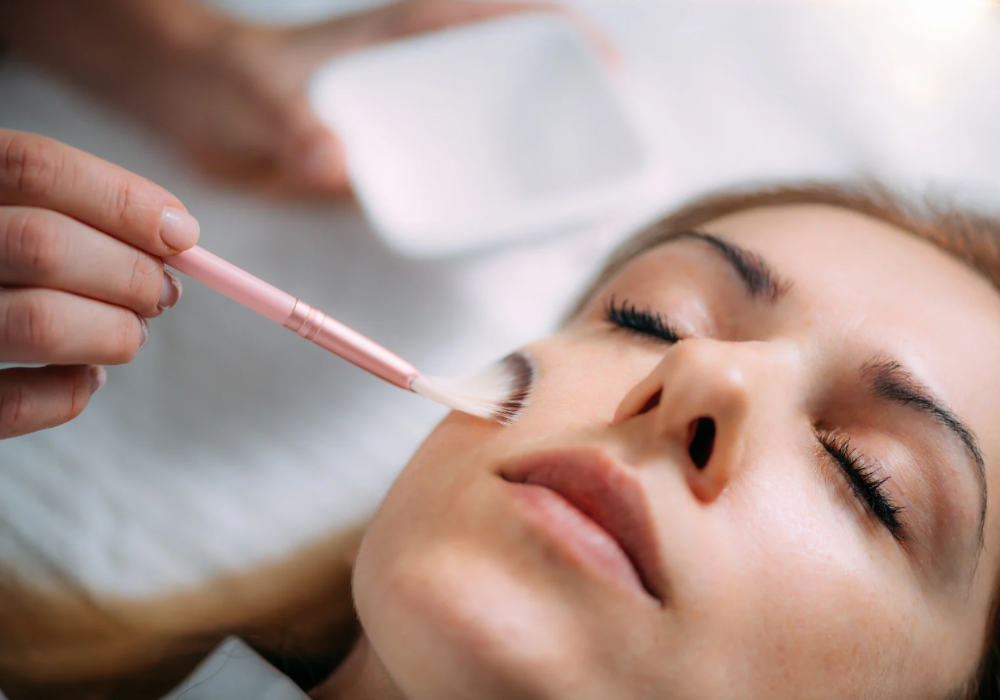
Peeling is the process of exfoliating the outermost layers of skin due to chemicals or enzymes. There are three types of peels: superficial, medium-depth and deep. The type depends on your skin. They promote regeneration, smooth microrelief, balance out the tone and texture of your skin, and also promote cell renewal.
The process of laser resurfacing, also known as laser rejuvenation, involves the targeted vaporization of the outermost layers of skin. It reduces wrinkles, post-acne, pigmentation and even scars with a more profound effect and a visible rejuvenating effect.
Key Differences
|
Criterion |
Peel |
Laser Resurfacing |
|
Depth of action |
From superficial to medium |
Medium to deep dermis |
|
Indications |
Uneven tone, pigmentation, dullness |
Wrinkles, scars, post-acne, large pores |
|
Result |
Gradual |
Pronounced and quicker |
|
Recovery |
1-5 days (depending on depth) |
3-7 days or more |
|
Discomfort |
Mild to moderate |
Moderate, anesthesia if needed |
|
Number of procedures |
3-6 sessions per course |
Often 1-2 sessions are enough |
Who Should Choose a Peel?
Peels are perfect for:
- youthful skin with an uneven texture or tone;
- first indications of aging;
- minor post-acne and pigmentation;
- upkeep in between more involved procedures.
- The primary benefits are the minimal downtime (with superficial peels), adjustable intensity, and gentle technique.
Who Should Choose Laser Resurfacing?
Since laser resurfacing is more effective, it ought to be taken into account while dealing with:
- creases that are apparent;
- deep scars or markings left by acne;
- looseness of the skin;
- pigmentation that doesn’t peel;
- the wish for a quick “renewed” skin appearance.
- Although it has more power, it also needs more planning and maintenance.
Which One Should You Choose: Peel or Laser?
✅ Choose peels if you want a mild result, a slow improvement and anti-aging treatment.
✅ Laser resurfacing is a perfect choice if you want to enhance the contours of your face, reduce wrinkles or scars or achieve significant rejuvenation.
But the decision is based on more than just your objectives; it also depends on:
- the time of year (fall and winter are the optimum times to use a laser);
- kind of skin;
- any restrictions;
- your timetable (peels don’t have much downtime).
What About Combining Both?
Of course! To get the best results, we at KClinics frequently combine lasers and peels. For instance, a mild peel might prepare the skin for a laser treatment and, in turn, assist hasten healing and improve results on skin.
In conclusion
Both laser resurfacing and peels are effective cosmetic procedures that address various issues, target different skin types and operate at different depths.
It’s not about “what’s better” when choosing between them; rather, it’s about “what’s better for you,” which depends on your objectives, lifestyle, and present state of skin.
Procedures are not carried out “just because” at KClinics; rather, we create customized protocols with a purpose for each step. We propose an alternative that is safe, pleasant, and actually effective after taking into account the season, your schedule, any current skin conditions and your expectations.
Make an appointment for a consultation at KClinics and we will help you in making an informed decision about a laser or peel based on a thorough examination of your skin.