



How does stress affect your facial appearance?
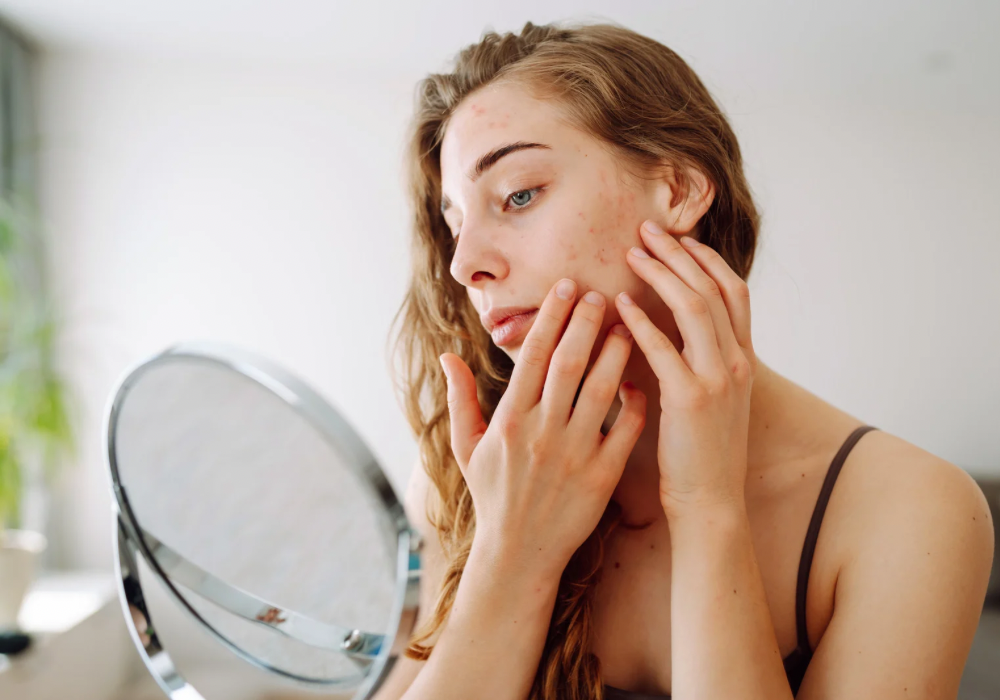
You feel exhausted, and the mirror reflects it: a dull complexion, puffiness, dark circles, or new fine lines. Stress is a biochemical maelstrom in the body, and your skin is frequently the first obvious casualty. It’s not only a mental burden.
Sometimes just a few tense weeks are enough to notice significant changes. Because stress depletes the skin from the inside out, many people attempt to “save” their skin with creams or masks, but sometimes it’s not enough. For this reason, it’s important to know how to properly maintain your skin throughout stressful times in addition to getting enough rest and sleep.
What Happens to the Skin Under Stress?
Stress triggers the sympathetic nervous system and the body goes into “fight or flight” mode. The stress hormone cortisol surges into the circulation, causing a number of skin reactions, for example:
- Vasoconstriction lowers blood flow, which results in dull, pale skin.
- Fine wrinkles and a lack of firmness result from a reduction in collagen synthesis.
- The skin becomes dry, sensitive and also prone to irritation when the skin barrier is disrupted.
- Increased sebum production leads to breakouts and blocked pores.
- Inflammation risk rises and healing is slowed when skin immunity declines.
- Increased fluid retention causes puffiness, particularly around the eyes.
How Exactly Does Stress Show Up on the Face?
- Dull, “tired” complexion
- uneven pigmentation and skin tone
- Under-eye bags and puffiness
- Increasing visibility of fine lines
- Dehydration, dryness, and irritation
- Oily skin, irritation, and acne
- A drooping jawline and a loss of firmness
Chronic Stress = Accelerated Aging
Long-term stress, even background stress, can cause inflammaging, which is low-grade chronic inflammation at the cellular level. This speeds up the aging process by preventing the skin from properly renewing, causing the dermis’ structure to deteriorate and causing that healthy skin glow.
How Can You Help Your Face Recover from Stress?
- Bring the skin barrier back to normal. Make use of mild, alcohol-free products that include amino acids, hyaluronic acid, and ceramides.
- Staying hydrated is important. Stress causes the skin’s layers to lose moisture; restore it every day.
- Antioxidants. Vitamin C, niacinamide, and resveratrol help combat oxidative stress.
- Lymphatic drainage and facial massage. These increase circulation, lessen puffiness, and enhance tone.
- In-clinic treatments. Non-invasive technology speeds up recuperation and helps the skin work again.
What Treatments Help the Skin Recover from Stress?
Aggressive action is not necessary when skin is fatigued; it requires a gradual reset. At KClinics, we choose treatments that minimize obvious symptoms of weariness, replenish hydration, promote natural regeneration, and combine deep action and maximum comfort.
🔹 HydraGlowFacial – Hydration, Detox, Glow
Ideal for breakouts, sensitivity, or dullness. This therapy incorporates:
- thorough but delicate pore cleaning;
- mild exfoliation;
- infusion of serums strong in antioxidants and moisturizing agents.
After only one session, the outcome was clean, smooth, and glowing skin with no recovery time. Excellent for sensitive, dehydrated, or overloaded skin.
🔹 RF-Lifting – Gentle Heat That Restores
Skin becomes less elastic and toned under stress. The dermis is gradually heated by radiofrequency (RF) lifting, which stimulates:
- synthesis of collagen and elastin;
- improved blood circulation;
- decreased puffiness and lymphatic drainage.
Even clients who are afraid of needles can benefit from this painless, non-invasive lifting procedure.
🔹Laser Resurfacing – A True Reboot
Fractional laser treatment gently targets the layers of skin to:
- replenish the turnover of cells;
- lessen post-acne blemishes, textural problems, and pigmentation;
- improve skin texture and minimize pores.
Perfect for stressed, early-aging skin that exhibits more severe symptoms including dullness, wrinkles, and scars.
🔹 Chemical Peels – Soft Exfoliation, Real Results
AHA, lactic, or mandelic acid-containing peels aid in:
- brighten dull skin;
- reduce the intensity of pigmentation;
- clear the clogged pores;
- turn on mild regeneration.
We select low-intensity, high-efficacy peels for noticeable but pleasant outcomes because post-stress skin is frequently reactive.
Conclusion
Stress not only remains in your head but it manifests itself on your face as fatigue, wrinkles, inflammation, and a lack of energy. It’s not a life sentence, though.
Your skin may return to its natural strength, balance and radiance with the correct strategy, internal support, and external care. Your allies throughout that recuperation period are contemporary aesthetic procedures.
At KClinics, we go beyond surface-level fixes. We provide individualized treatment at every stage to aid in the physiological, emotional, and cosmetic recovery of your skin.