



Should you be afraid of Botox after 25?
Many people think of botox as a “last resort” — something you only consider after 40, when it seems like “everything is lost.” However, botulinum toxin type A, or Botox, is more than simply a method of smoothing deep wrinkles. Additionally, it’s among the best preventative therapies, especially for people over 25.
In this article, we’ll break down what Botox is, why it makes sense at a younger age, whether it’s really dangerous, and how to avoid the dreaded “frozen face” while preserving your natural look.
How Does Botox Work and What Is It?
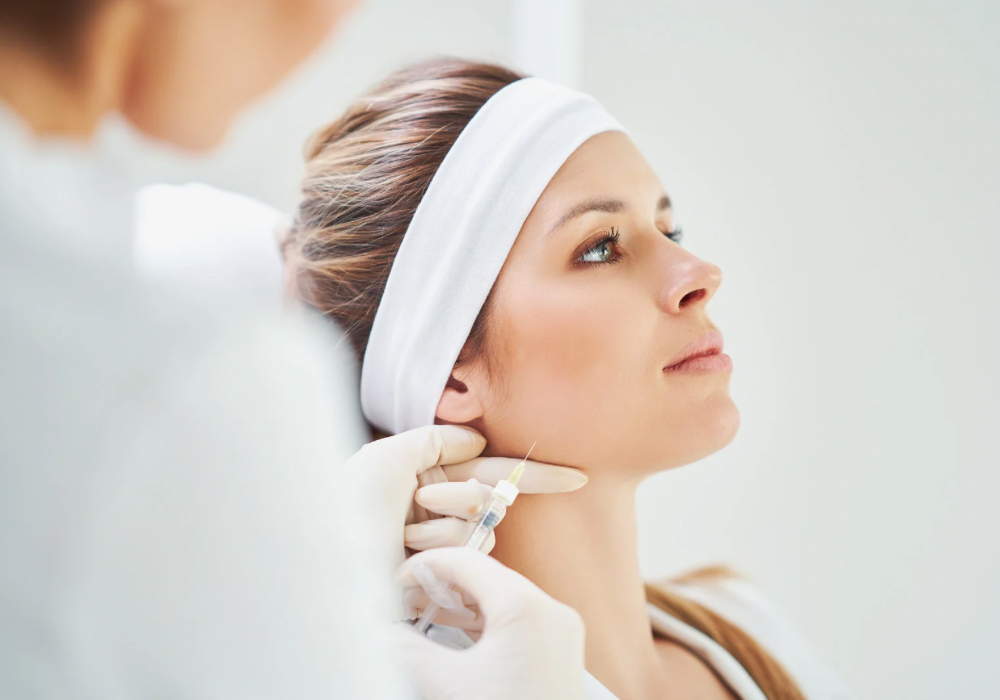
A refined protein called botulinum toxin momentarily stops face muscles from receiving nerve signals. It is used in cosmetic medicine to lessen the activity of the expression muscles that cause wrinkles to appear on the skin over time.
🔹 For instance, lines show up on your forehead or in the spaces between your brows when you frown or elevate them. They vanish instantly when you’re younger. However, even while at rest, those lines may become permanent around the ages of 25 to 30.
Botox gently relaxes the muscle — so you still look animated and expressive, but the skin stops folding deeply, which prevents wrinkles from setting in.
Why Is 25 Not Too Early?
At this age, natural collagen synthesis starts to slow down, and expression lines that had previously varnished might start to become permanent.
Expression lines that once disappeared may start to become permanent.
Instead of attempting to undo deep creases later, now is the best time to avoid them.
Prevention Doesn’t Mean Overdoing It
Microdoses of preventative Botox are used to gradually relax the most tense face muscles. The outcome? You continue to express yourself, but you no longer make deep wrinkles on your skin.
Modern cosmetic practice is not about templates — dosage and injection points are personalised based on your facial movement, age, and skin features.
Is Botox Really Dangerous?
This is a common myth. The modern botulinum toxin products (Dysport, Xeomin, and Botox) are certified and have outstanding safety records. They have no effect on the neurological system, don’t accumulate in the body, and don’t lead to addiction.
There is very little chance of difficulties when done properly by a qualified aesthetician who is knowledgeable about facial structure.
Will I Look “Frozen”?
Not at all — when done correctly. Overdosing or inadequate skill are typically the causes of the “frozen” appearance.
At KClinics, we follow a natural-effect philosophy:
- We only provide care when it is actually required;
- We employ dosages based on your particular characteristics;
- If necessary, we permit touch-ups gradually.
- You appear more rested and sophisticated, yet you still look like yourself.
Who Should Consider Botox After 25?
Preventative Botox could be a wise choice if you’re prone to frowning or lifting your brows, have early wrinkles that don’t go away, or are very expressive. It’s also a fantastic choice if you want to avoid waiting for more noticeable wrinkles to appear and instead seem more rested and youthful.
Think of it as a deeper-level skincare step — preserving your skin structure while your creams and serums work on the surface.
Conclusion
The goal of Botox after 25 is to maintain the aspects of your face that you find most appealing, not to erase who you are. For years to come, it’s a deliberate, preventative measure that may keep your skin smoother, your features relaxed, and your beauty organically renewed.
We at KClinics don’t think that anything is “frozen” or “one-size-fits-all.” We value nuance, customization, and long-term planning. When done correctly, Botox becomes a wise supplement to your current skincare regimen rather than a quick fix.
Book a consultation with KClinics and let’s talk honestly about what your skin needs — today and for the future. Natural, fresh and confident.