





Why do enamel cracks appear and how can they be treated?
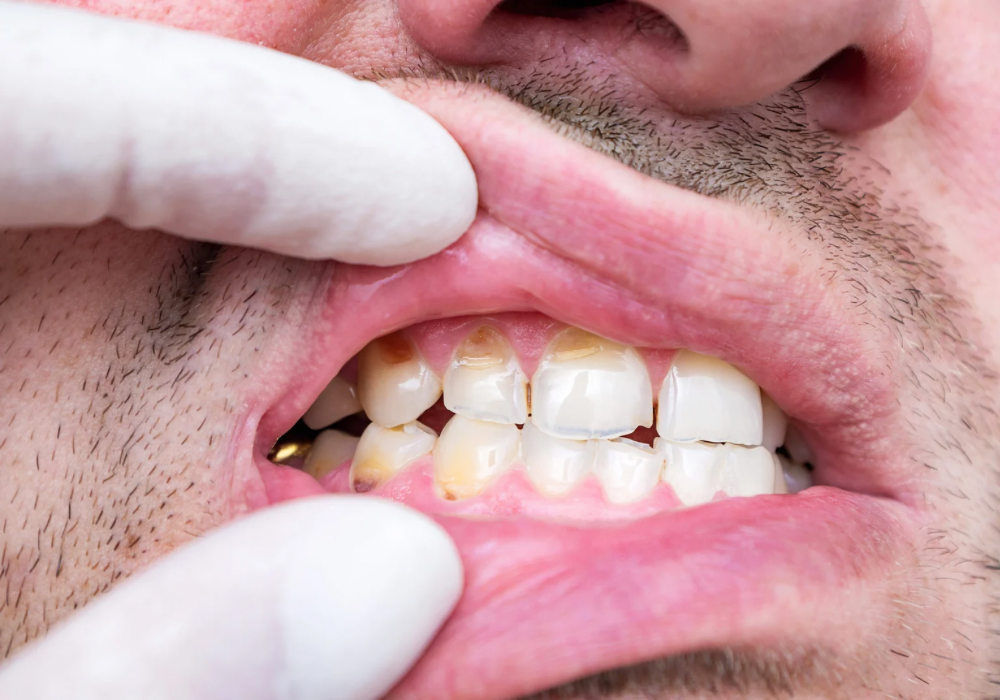
You brush your teeth regularly, avoid sweets, and never miss a dentist visit — yet you still notice fine lines on your teeth or occasional sensitivity to cold? These might be enamel microcracks, a problem that is harmful to neglect but simple to ignore. Although these fissures might not hurt right away, they might eventually cause more significant problems with your teeth.
This article will explain the origins of enamel cracks, how to spot them early, how to avoid consequences, and the available current dental treatment methods. If you’re committed to preserving a healthy, beautiful smile — this guide is for you.
What Are Enamel Cracks?
Even the toughest tissue in the human body, enamel, has its limitations. Tiny surface fractures called “craze lines” may appear as a result of pressure, time, exposure to temperature fluctuations or a lack of oral hygiene. These can trap pigments and bacteria, increase tooth sensitivity and eventually open the door to decay if left untreated.
Common Causes of Enamel Cracks
- Chewing on hard things (ice, candy, and nuts)
- Using teeth to open bottles or packaging
- Bruxism (teeth grinding, particularly at night)
- Unexpected temperature shifts (cold dessert + hot coffee)
- Minor jaw hits or even facial trauma
- Natural enamel wear and aging
- Using abrasive toothpaste or hard brushing
- Poorly executed restorations or an uneven bite
How to Spot a Crack
Not all cracks are visible, but you may notice:
- Sensitivity to sweetness, heat, or cold
- Pain when biting
- Surface lines that are finely white or gray
- A discoloration close to the crack
- Food becoming lodged in one spot
- Even if pain is absent, visible lines or sensitivity warrant a professional check.
What Happens If You Ignore It?
- Microcracks may first appear innocuous, but if left unchecked, they can:
- penetrate farther into the dentin layer
- cause deterioration or cavities in the vulnerable region.
- cause a tooth fragment to break off
- Get to the pulp and harm the nerves or create inflammation.
How Do Dentists Treat Enamel Cracks?
The location and depth of enamel fractures determine how they should be treated. Dentists frequently suggest remineralization therapy or fluoride treatments for small surface cracks. These methods help to strengthen the enamel and reduce sensitivity by replenishing essential minerals for enamel. Professional polishing or smoothing can help eliminate surface stains and make the tooth surface more uniform if the fissures are visible but not deep.
When a crack extends into the dentin layer, a composite filling may be used to seal the area, preventing bacteria from entering and protecting the inner structure of the tooth. Dentists may advise using a veneer or a crown to completely cover and preserve the damaged tooth in more severe situations, such as many cracks or structural damage.
What You Can Do at Home
At home, you can take these important steps to protect your enamel from damages. Use non-abrasive toothpaste and also a toothbrush with soft bristles to prevent scratching the enamel. We recommend also avoiding using your teeth to open bottles or packaging, biting ice or breaking hard sweets – these behaviors might exacerbate pre-existing cracks or cause new ones. Try to avoid rapid temperature shifts in your food and drinks — for example, don’t drink a hot coffee with a cold dessert.
You can also wear a tailored night guard that can help avoid cracks and drastically lessen the strain on your teeth if you have bruxism, a condition where you grind your teeth at night. Last but not least, schedule professional hygiene visits at least twice a year to keep an eye on the state of your enamel and identify any problems early.
In conclusion
Even while hairline enamel cracks might not look like much, they are early indicators that your teeth require repair. They may worsen and result in decay, discomfort, or even tooth loss if improperly cared for. The good news? They are curable and controllable, particularly if detected early.
At KClinics, we don’t just fix damage — we prevent it. Our specialists will assess your enamel and create a personalized, painless plan to preserve your smile for years to come.
🔔 Make an appointment for consultation right now at KClinics and and let us help protect not just your teeth, but your confidence in every smile.